
When Markets Collapse, a Vacuum is Created – Even Veterans Struggle to Find Answers
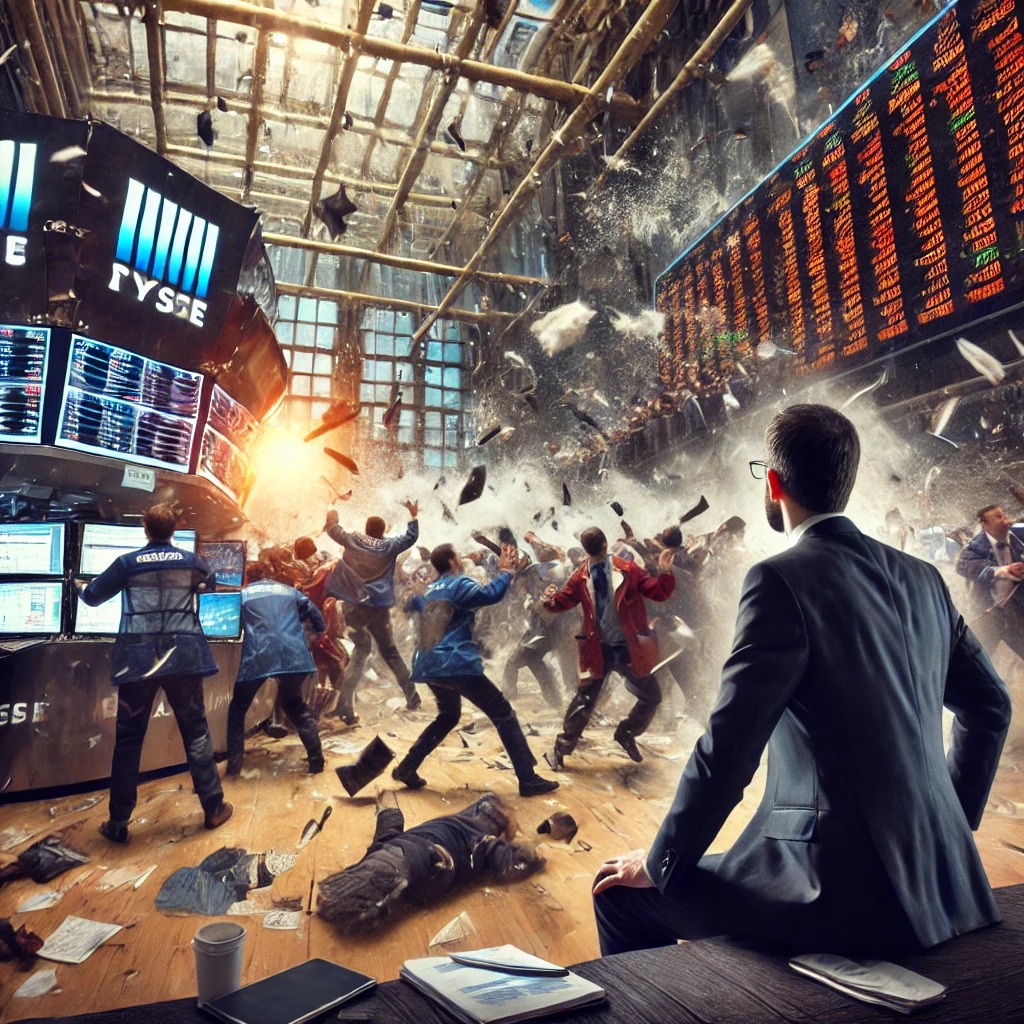
In such moments, behavioral biases take over:
Herd Mentality: Fear spreads like wildfire. Investors sell not because they should but because everyone else is selling.
Loss Aversion: A 20% drop feels twice as painful as a 20% gain feels rewarding, leading to panic exits.
Recency Bias: The current downturn feels like the “new normal,” blinding investors to past recoveries.
Availability Bias: Negative news is everywhere, reinforcing pessimism and preventing rational decision-making.
Disposition Effect: Investors hold onto losing positions for too long, hoping to “break even,” instead of reassessing fundamentals.
Myopic Risk Aversion: Short-term losses feel unbearable, even when long-term trends remain intact.
Why Even Veterans Stay Silent
Few dare to talk bullish when fear is at its peak. Why?
Fear of Being Wrong – No one wants to call a bottom and be proven wrong the next day.
Career Risk for Professionals – Fund managers hesitate to act aggressively against the tide.
Media Amplifies Panic – Doomsday headlines drown out rational voices.
The Contrarian Edge
History proves that fortunes are built in moments of fear, not euphoria. The best investors detach from short-term panic and focus on intrinsic value, historical patterns, and behavioral mispricing.